

In a world filled with constant noise, the profound effects of sound often go unnoticed. Yet, beneath the cacophony of daily life lies a powerful tool known as the Healing Power of Sound, which has been used for centuries to heal, soothe, and transform. From the rhythmic beats of ancient drums to the modern science of sound therapy, frequencies have the remarkable ability to influence our physical, emotional, and spiritual well-being.
Imagine a deep, resonant tone that calms your racing mind or a gentle melody that soothes your spirit. These aren’t just poetic notions but real experiences grounded in both science and spirituality. The study of the Healing Power of Sound affects the human body, offering a fascinating journey that bridges the gap between the tangible and the mystical, providing insights into how we can harness these vibrations for better health and harmony.
In this Blog Post
In this blog post, we will delve into the world of sound and frequencies, exploring their impact on our bodies and minds. We’ll uncover the science behind how different frequencies affect our physical and emotional states, and we’ll journey through the spiritual and holistic practices that have utilized the Healing Power of Sound across cultures and centuries. Whether you are looking to enhance your meditation practice, improve your sleep, or explore new avenues of holistic health, understanding the power of sound can open up new pathways to wellness and inner peace.
Join us as we explore the Healing Power of Sound, from the soothing hum of Tibetan singing bowls to the precise vibrations of tuning forks, and discover how you can integrate these ancient and modern practices into your life for profound transformation.
Understanding Frequencies and Their Impact
Definition of Frequency
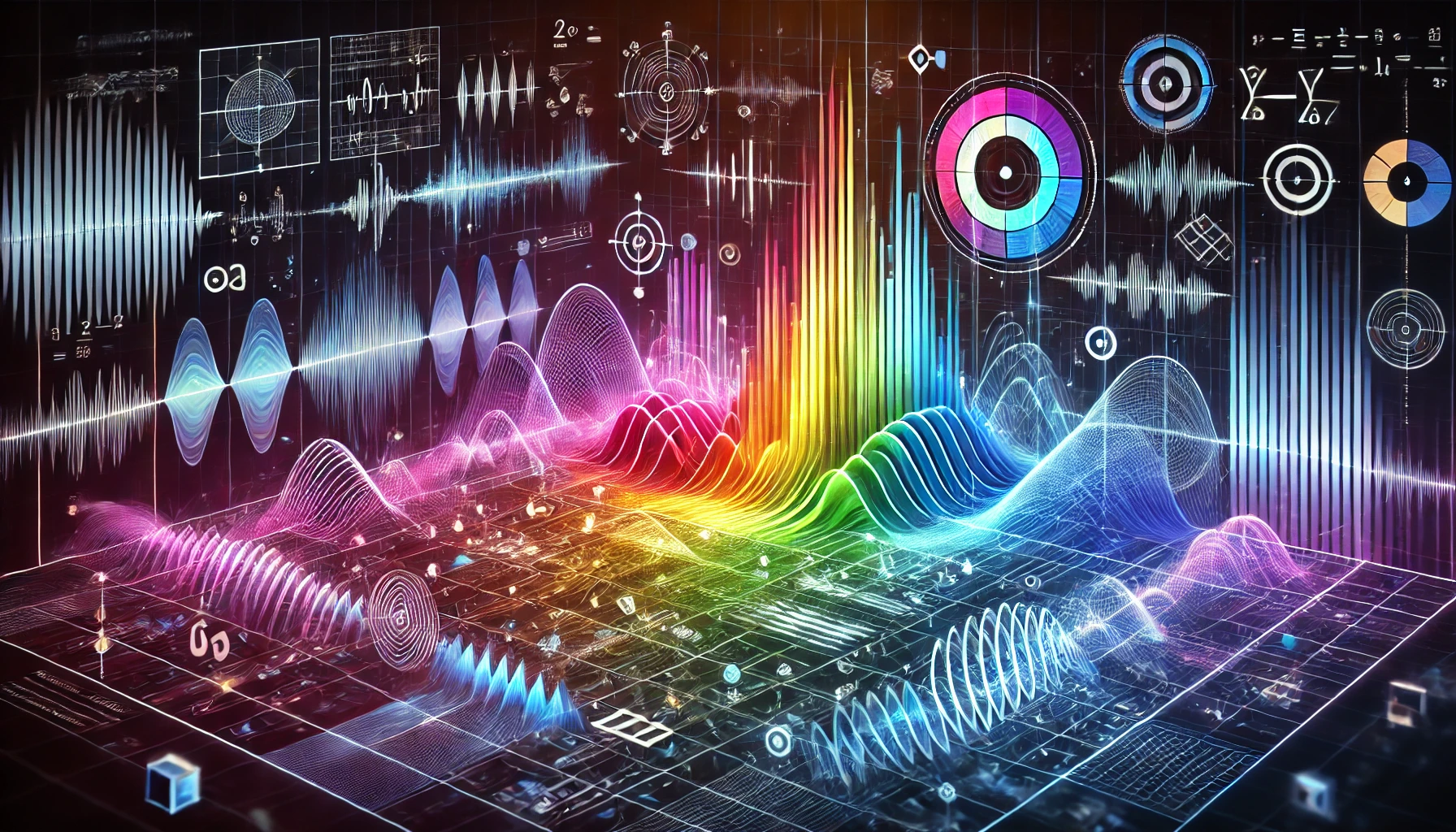
At its core, frequency is a measure of how many times a wave oscillates in one second, measured in Hertz (Hz). This concept extends beyond sound waves to include electromagnetic waves, such as light and radio waves. However, when discussing the impact of frequency on the human body, we primarily focus on sound waves. These waves travel through the air and interact with our ears and body, creating vibrations that we perceive as sound.
Scientific Basis
The effects of sound frequencies on the human body have been studied extensively. Different frequencies can stimulate various parts of the brain and body, leading to a wide range of physiological and psychological responses. For example:
- Delta Waves (0.5 – 4 Hz): These low-frequency waves are associated with deep sleep and restorative healing. They play a crucial role in the body’s ability to repair and regenerate tissues.
- Theta Waves (4 – 8 Hz): Often linked to REM sleep, creativity, and meditation, these frequencies can enhance memory, intuition, and deep relaxation.
- Alpha Waves (8 – 14 Hz): These frequencies are present during states of relaxation and mindfulness, promoting mental coordination, calmness, and alertness.
- Beta Waves (14 – 30 Hz): Higher frequency beta waves are associated with active thinking, focus, and problem-solving. They are predominant during our waking hours.
- Gamma Waves (30 – 100 Hz): These waves are linked to higher mental activities, including perception and consciousness. They play a role in processing information and cognitive functioning.
Spiritual and Holistic Perspectives

Ancient cultures and spiritual traditions have long recognized the healing potential of sound. Practices such as chanting, drumming, and the use of specific musical instruments were often integral to spiritual rituals and healing ceremonies. These traditions hold that sound frequencies can balance energy centers in the body, known as chakras, and align the mind, body, and spirit.
Modern holistic practices have embraced these ancient beliefs, integrating them with contemporary understandings of psychology and physiology. Sound therapy sessions, meditation with specific frequencies, and the use of sound baths are now common practices aimed at enhancing well-being.
Key Takeaways
- Understanding Sound Waves: Sound waves are vibrations that travel through the air and interact with our bodies, influencing our physical and emotional states.
- Scientific Impact: Different frequencies stimulate different brain waves, leading to various physiological and psychological effects, from deep sleep to heightened alertness.
- Spiritual Insights: Ancient and modern holistic practices use sound to balance energy and promote healing, demonstrating the timeless nature of sound’s therapeutic potential.
By understanding the fundamental concepts of frequency and its impact on the human body, we can appreciate the profound effects that sound can have on our overall well-being.
Frequencies Known to Affect the Body, Spirit, and Emotions
Science-Based Frequencies
Certain frequencies have been scientifically proven to impact the human body and mind in various ways. These frequencies interact with our brain waves, promoting different states of consciousness and well-being.
- Delta Waves (0.5 – 4 Hz): These low-frequency waves are predominant during deep sleep and are crucial for restorative processes in the body. Delta waves promote deep relaxation and healing, allowing the body to repair tissues and regenerate cells.
- Theta Waves (4 – 8 Hz): Associated with light sleep, meditation, and creativity, theta waves enhance memory, intuition, and deep relaxation. These frequencies are often accessed during REM sleep and deep meditative states.
- Alpha Waves (8 – 14 Hz): Present during states of relaxation and mindfulness, alpha waves promote mental coordination, calmness, and alertness. They are often experienced during moments of quiet reflection and meditation.
- Beta Waves (14 – 30 Hz): Higher frequency beta waves are linked to active thinking, focus, and problem-solving. They are dominant during our waking hours and are essential for cognitive functions and everyday tasks.
- Gamma Waves (30 – 100 Hz): Associated with higher mental activities, gamma waves play a role in perception and consciousness. They are involved in information processing and cognitive functioning, contributing to learning and memory.
Healing and Spiritual Frequencies

Ancient traditions and modern holistic practices have identified specific frequencies believed to have healing properties. These frequencies are often used in sound therapy and spiritual practices to promote physical, emotional, and spiritual well-being.
Solfeggio Frequencies / Meditation Frequencies:
174 Hz: Known for its pain-relieving properties, 174 Hz can help alleviate physical discomfort and promote a sense of safety and security.
285 Hz: This frequency is believed to aid in the healing of tissues and organs, enhancing the body’s natural regeneration processes.
396 Hz: Often associated with liberating guilt and fear, 396 Hz helps clear negative emotions and promote a sense of inner peace.
417 Hz: This frequency facilitates change and helps in undoing negative situations, promoting personal transformation and growth.
528 Hz: Known as the “Miracle Tone,” 528 Hz is associated with transformation and DNA repair. It is believed to bring about positive changes and enhance overall well-being.
639 Hz: This frequency promotes harmonious relationships and enhances communication, fostering feelings of love and compassion.
741 Hz: Associated with intuition and awakening, 741 Hz helps in problem-solving and self-expression, promoting mental clarity.
852 Hz: This frequency aids in returning to spiritual order and awakening intuition, enhancing spiritual awareness and connection.
963 Hz: Often referred to as the “Frequency of Gods,” 963 Hz is believed to create room for oneness and unity, returning the body to its original, perfect state.
Chakra Frequencies:
Root Chakra (396 Hz): Grounding and stabilizing, this frequency promotes a sense of security and well-being.
Sacral Chakra (417 Hz): Enhances creativity and emotional expression, aiding in personal transformation.
Solar Plexus Chakra (528 Hz): Boosts self-confidence and personal power, promoting positive changes.
Heart Chakra (639 Hz): Encourages love and compassion, fostering harmonious relationships.
Throat Chakra (741 Hz): Promotes clear communication and self-expression.
Third Eye Chakra (852 Hz): Enhances intuition and spiritual awareness.
Crown Chakra (963 Hz): Facilitates spiritual connection and enlightenment.
Higher Frequencies:
1111 Hz: A relatively modern addition to the frequency repertoire, 1111 Hz is often associated with spiritual awakening and connection to higher realms. It is believed to help in manifesting intentions and aligning with one’s higher self.
1234 Hz: This frequency is thought to promote clarity, order, and progression, aligning one’s actions with their highest goals and purpose.
432 Hz: Known as the “Universal Frequency,” 432 Hz is said to resonate with the natural vibrations of the universe, promoting a sense of peace and well-being.
852 Hz and Higher: Frequencies above 852 Hz are often linked to advanced spiritual awareness, deepening meditation, and enhancing overall consciousness.
Key Takeaways
- Science-Based Frequencies: Different frequencies interact with our brain waves, promoting various states of consciousness and well-being, from deep relaxation to heightened alertness.
- Healing and Spiritual Frequencies: Specific frequencies, such as the Solfeggio tones, chakra frequencies, and higher frequencies like 1111 Hz, are used in sound therapy and spiritual practices to promote healing, personal transformation, and spiritual growth.
Understanding these frequencies and their effects can help us harness their power for physical, emotional, and spiritual well-being. Whether through meditation, sound therapy, or holistic practices, these frequencies offer a pathway to enhanced health and harmony.
Commonly Used Frequencies for Meditation, Sleep, and Healing

Meditation Frequencies
Meditation practices often incorporate specific frequencies to help deepen the meditative state and promote relaxation. Here are some of the most commonly used frequencies for meditation:
- Alpha Waves (8 – 14 Hz): These frequencies are ideal for inducing a state of relaxation and mindfulness. Listening to sounds or music in the alpha wave range can help quiet the mind and facilitate a state of calm alertness.
- Theta Waves (4 – 8 Hz): Theta waves are highly effective for deep meditation and accessing the subconscious mind. They are associated with creativity, intuition, and spiritual experiences, making them perfect for meditative practices aimed at self-discovery and inner peace.
- 528 Hz: Known as the “Miracle Tone,” this frequency is often used in meditation to promote transformation and facilitate spiritual growth. It is believed to repair DNA and harmonize the body’s energy fields.
Sleep Frequencies
Sleep is essential for overall health, and certain frequencies can help improve the quality of sleep by promoting relaxation and reducing anxiety:
- Delta Waves (0.5 – 4 Hz): These low-frequency waves are crucial for deep, restorative sleep. Soundtracks or binaural beats in the delta range can help induce deep sleep and improve sleep quality.
- Theta Waves (4 – 8 Hz): While primarily associated with light sleep and meditation, theta waves can also aid in falling asleep and enhancing REM sleep, which is vital for cognitive functions and emotional regulation.
- 432 Hz: This frequency is often used to promote natural harmony and relaxation, making it a popular choice for sleep music and sound therapy aimed at reducing stress and inducing sleep.
Healing Frequencies
Sound healing utilizes specific frequencies to promote physical, emotional, and spiritual well-being. Some of the most commonly used healing frequencies include:
- 528 Hz: Also known as the “Love Frequency,” 528 Hz is believed to repair DNA, promote healing, and bring about positive transformation. It is commonly used in sound healing therapies to enhance overall well-being.
- 741 Hz: This frequency is associated with detoxifying the body and promoting cellular regeneration. It helps in purifying the mind and body, making it effective for healing therapies.
- 852 Hz: Often used for spiritual awakening, 852 Hz aids in returning to spiritual order and enhancing intuition. It is beneficial for deepening meditation and promoting a connection to higher consciousness.
Methods of Using Frequencies for Healing: A Deeper Dive
Tuning Fork Therapy
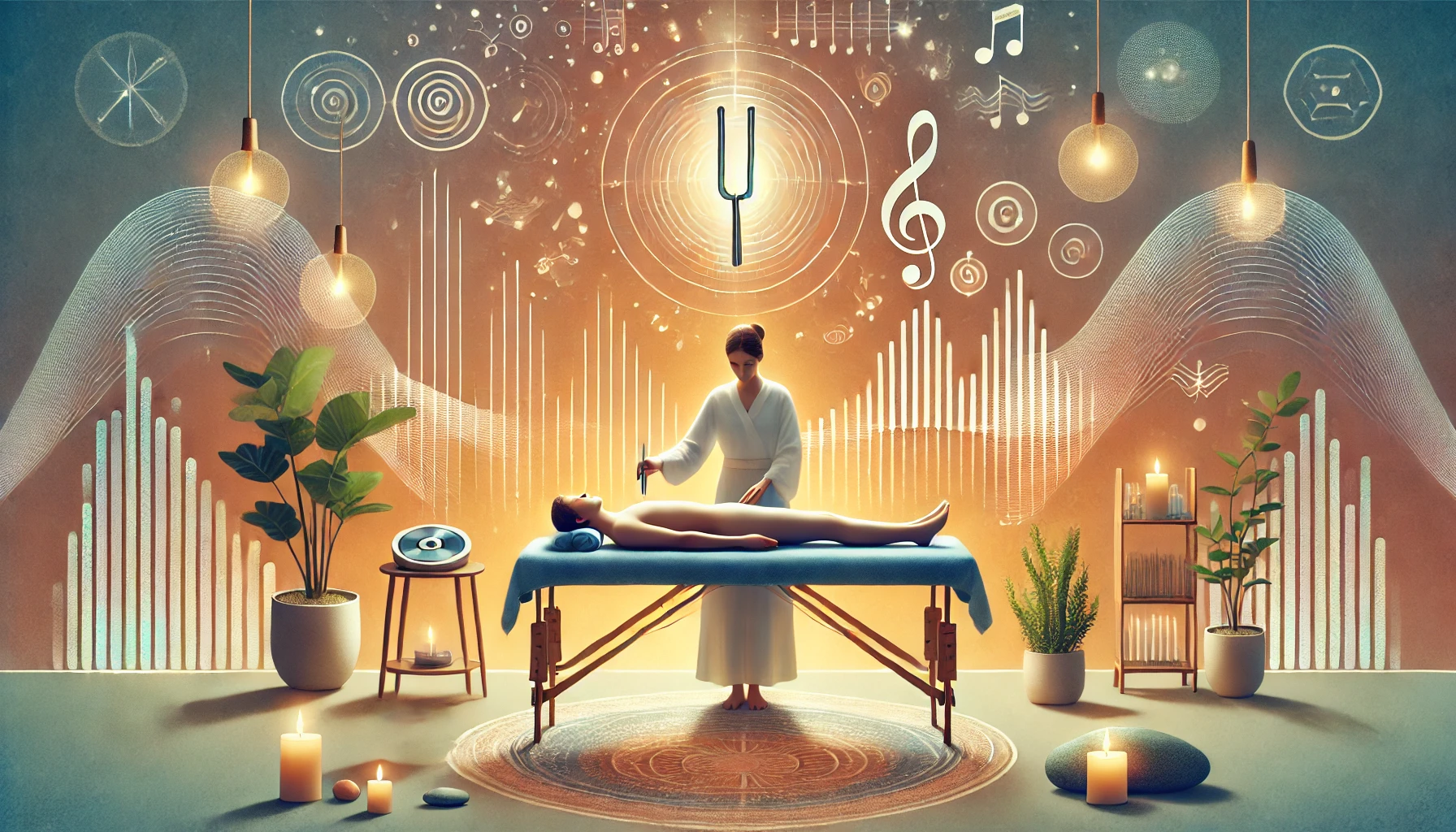
Tuning forks are precision instruments that produce specific frequencies when struck. These frequencies can be used to balance energy, promote healing, and enhance well-being. There are two main types of tuning forks: standard and weighted.
- Standard Tuning Forks:
- Application: Standard tuning forks are primarily used in the energy field around the body. Practitioners strike the tuning fork to produce a pure tone and then move it through the aura or place it near the ears. The sound waves help to clear energy blockages and restore balance.
- Example Use: A practitioner may strike a standard tuning fork tuned to 528 Hz and hold it near a person’s heart chakra to promote healing and emotional release. The sound waves resonate with the body’s energy, facilitating transformation and DNA repair.
- Weighted Tuning Forks:
- Application: Weighted tuning forks have weights at the ends, producing stronger vibrations that can be felt physically. These forks are applied directly to the body, allowing the vibrations to penetrate deeper into tissues and muscles.
- Example Use: A practitioner might strike a weighted tuning fork tuned to 136.1 Hz (the frequency associated with the OM vibration) and place the base of the fork on a sore muscle or joint. The vibrations help to relax the muscle, improve circulation, and reduce pain.
Sound Baths
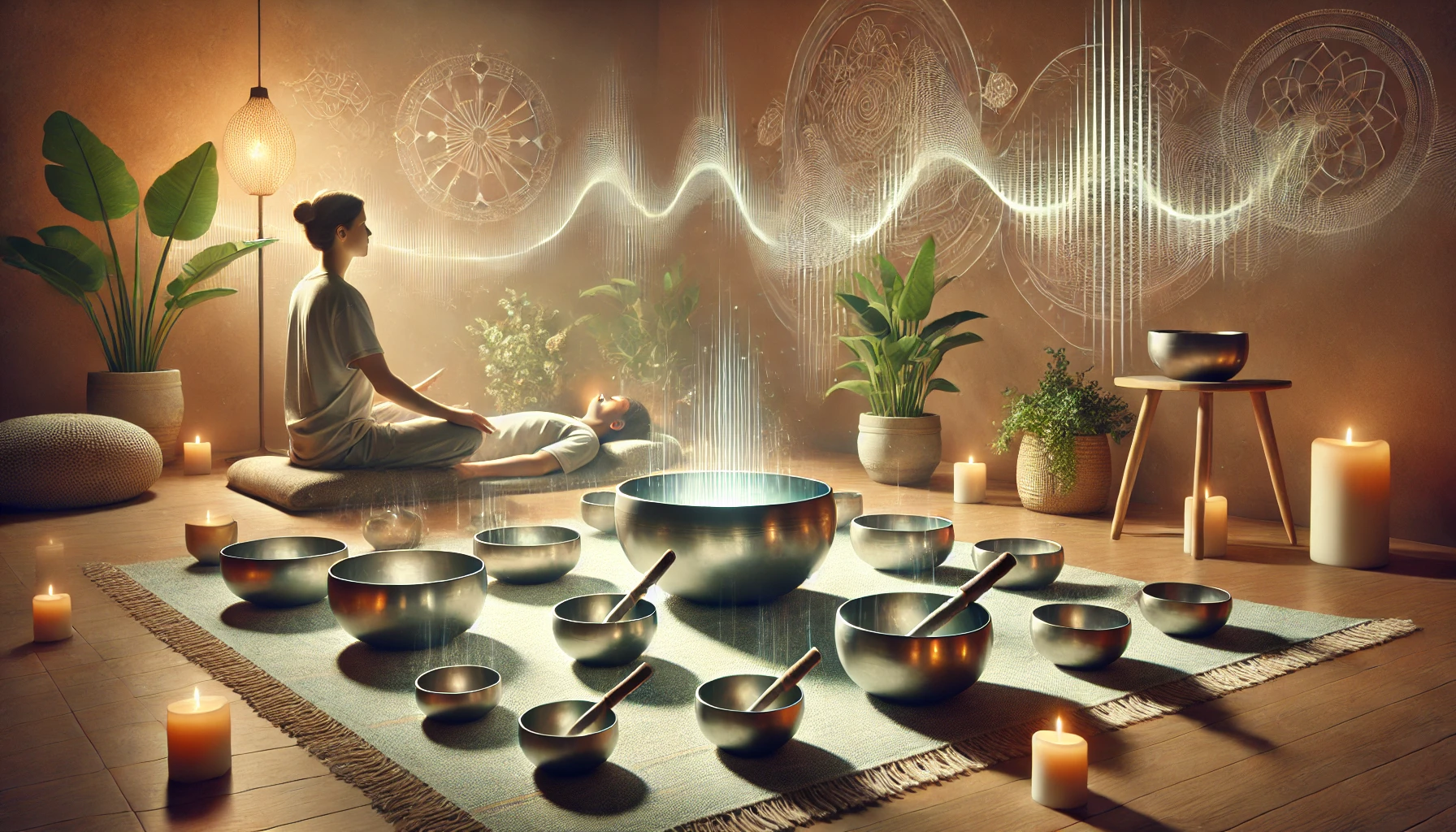
A sound bath is an immersive experience where participants are surrounded by sound waves produced by various instruments, such as Tibetan singing bowls, crystal bowls, gongs, and chimes. The goal is to induce a state of deep relaxation, reduce stress, and promote healing.
- Initiation of a Sound Bath:
- Preparation: The sound bath is typically conducted in a serene, comfortable setting. Participants lie down on mats or sit in a relaxed position. The environment is often dimly lit, with candles or soft lighting to create a tranquil atmosphere.
- Introduction: The facilitator begins with a brief introduction, explaining the process and setting an intention for the session. Participants are encouraged to focus on their breath and let go of any tension.
- Sound Waves: The facilitator uses a variety of instruments to create a tapestry of sound. Tibetan singing bowls are gently struck or circled with a mallet to produce resonant tones. Crystal bowls are played similarly, creating higher-pitched, crystalline sounds. Gongs are struck to produce deep, reverberating tones that wash over the participants.
- Experience: Participants are encouraged to close their eyes and immerse themselves in the sounds, allowing the vibrations to flow through their bodies. The experience can last from 30 minutes to over an hour, during which the sound waves help to balance energy, clear blockages, and promote a sense of peace and well-being.
Chakra Balancing with Sound

Chakra balancing involves using specific frequencies to align and harmonize the body’s energy centers, known as chakras. Each chakra resonates with a particular frequency, and sound therapy can help restore balance and vitality.
- Root Chakra (396 Hz): Grounding and stabilizing. Use a tuning fork or singing bowl tuned to 396 Hz near the base of the spine to promote a sense of security and well-being.
- Sacral Chakra (417 Hz): Enhances creativity and emotional expression. Apply a frequency of 417 Hz near the lower abdomen to stimulate personal transformation.
- Solar Plexus Chakra (528 Hz): Boosts self-confidence and personal power. Use 528 Hz near the solar plexus to promote positive changes and healing.
- Heart Chakra (639 Hz): Encourages love and compassion. Use 639 Hz near the chest to foster harmonious relationships and emotional healing.
- Throat Chakra (741 Hz): Promotes clear communication and self-expression. Apply 741 Hz near the throat to enhance self-expression and clarity.
- Third Eye Chakra (852 Hz): Enhances intuition and spiritual awareness. Use 852 Hz near the forehead to deepen meditation and spiritual insight.
- Crown Chakra (963 Hz): Facilitates spiritual connection and enlightenment. Use 963 Hz near the top of the head to promote spiritual connection and a sense of unity.
Examples of Frequency Application
- Direct Application with Tuning Forks:
- Pain Relief: A practitioner uses a weighted tuning fork tuned to 256 Hz on an arthritic joint. The vibrations help to reduce inflammation and improve mobility.
- Stress Reduction: A standard tuning fork tuned to 432 Hz is used near the ears during a relaxation session. The calming frequency helps to lower stress levels and promote a sense of peace.
- Sound Bath Experience:
- Group Session: Participants gather in a peaceful room, lying down on yoga mats with blankets. The facilitator starts by playing a large gong, followed by Tibetan singing bowls and chimes. The layered sounds create a meditative state, helping participants release stress and enter a deep state of relaxation.
- Individual Session: A person lies comfortably while the facilitator plays crystal singing bowls tuned to the Solfeggio frequencies. The specific tones help to balance the individual’s energy centers, promoting physical and emotional healing.
Key Takeaways
- Tuning Fork Therapy: Standard and weighted tuning forks provide different benefits, from clearing energy blockages to deep tissue relaxation.
- Sound Baths: Immersive experiences using a variety of instruments to create healing sound waves that promote deep relaxation and balance.
- Chakra Balancing: Using specific frequencies to align and harmonize the body’s energy centers, facilitating overall well-being.
By understanding and utilizing these methods, individuals can harness the healing power of sound frequencies to enhance their physical, emotional, and spiritual health.
Frequencies in Modern vs. Traditional Music

Historical Overview of Music Frequencies
Throughout history, the frequencies used in music have evolved, influenced by cultural practices, technological advancements, and shifts in musical theory. Ancient and traditional music often employed natural tuning systems that aligned closely with the harmonic principles found in nature.
- Pythagorean Tuning: This ancient system, based on the ratio of perfect fifths, was used in Greek music and early Western music. It focused on creating harmonious intervals that resonated with the natural overtones of instruments.
- Just Intonation: Used in various traditional cultures, just intonation tuning systems prioritize pure intervals that are mathematically simple ratios, creating a naturally pleasing sound.
Modern Music Frequencies
In the modern era, the standard tuning system has shifted to equal temperament, which allows for greater flexibility in key changes and harmonic complexity but slightly compromises the purity of intervals.
- 440 Hz Standard Tuning: Since the mid-20th century, the international standard pitch for tuning musical instruments has been set at A=440 Hz. This standardization facilitates uniformity across different regions and genres but has sparked debate among musicians and researchers about its impact on the natural resonance of music.
- Equal Temperament: This tuning system divides the octave into 12 equal parts, enabling instruments to play in any key with relative harmony. While convenient, it slightly distorts the natural harmonic relationships, leading some to argue that it lacks the vibrational purity of older systems.
Traditional Music Frequencies

Traditional music often employs alternative tuning systems that align more closely with natural harmonics, creating a richer and more resonant sound.
- 432 Hz Tuning: Many proponents of alternative tuning advocate for A=432 Hz, which is believed to be more in harmony with the natural vibrations of the universe. Music tuned to 432 Hz is thought to be more calming and soothing, promoting a sense of well-being.
- Native American Flutes: These instruments are traditionally tuned to natural scales that resonate with the environment and the human spirit, creating a deep connection between the player, the listener, and nature.
Impact of Frequencies in Modern vs. Traditional Music
- Emotional and Physical Effects: Modern music tuned to 440 Hz is widely accepted and used globally, but some researchers and musicians argue that traditional tuning systems like 432 Hz have a more profound emotional and physical impact. Music in these tunings is often described as more harmonious and relaxing.
- Cultural Significance: Traditional music frequencies are deeply intertwined with cultural practices and rituals. They often carry significant spiritual and communal meanings, reflecting the heritage and values of the people.
Vibrational Frequencies in Nature

Natural environments are full of vibrational frequencies that can have profound effects on living organisms, including humans.
- Mountain Frequencies: Mountains can resonate at specific frequencies due to their geological composition. For example, the Himalayas, known for their spiritual significance, are said to emit frequencies that promote peace and spiritual growth. Nepalese monks often retreat to these mountains to meditate, taking advantage of the natural vibrations to deepen their spiritual practices.
- Forests and Oceans: Natural settings like forests and oceans also emit distinct frequencies. The sound of rustling leaves, flowing water, and ocean waves can create a calming effect, reducing stress and promoting relaxation.
- Plant Frequencies: Research has shown that plants emit their own frequencies. Devices like PlantWave can translate the electrical energy of plants into musical sounds, revealing the unique vibrational signature of each plant. This music can be used for therapeutic purposes, creating a connection between humans and the natural world.
Examples of Natural Frequencies

- Nepalese Monks and the Himalayas: Monks in Nepal often seek solitude in the Himalayas to meditate. The mountains’ natural frequencies are believed to enhance spiritual practices, promoting deep meditation and a sense of oneness with the universe.
- Japanese Forest Bathing (Shinrin-yoku): This practice involves immersing oneself in the forest atmosphere. The natural frequencies of the forest environment are thought to reduce stress, improve mood, and boost overall health.
- Ocean Waves: The consistent rhythm and frequency of ocean waves can have a calming effect on the mind and body, promoting relaxation and reducing anxiety.
Key Takeaways
- Historical vs. Modern Tuning Systems: Traditional tuning systems like Pythagorean and just intonation focus on natural harmonics, while modern music often uses equal temperament for flexibility.
- 432 Hz vs. 440 Hz: Alternative tunings like 432 Hz are believed to be more in harmony with natural vibrations, promoting relaxation and well-being.
- Natural Frequencies: Environments like mountains, forests, and oceans emit frequencies that can positively affect mental and physical health.
- Cultural and Spiritual Significance: Traditional music frequencies and natural vibrations play a significant role in cultural practices and spiritual rituals, enhancing emotional and spiritual well-being.
By understanding the differences between modern and traditional music frequencies and the impact of natural vibrations, we can appreciate the profound effects that these sounds have on our lives. Integrating these insights into our daily practices can enhance our connection to the natural world and promote overall well-being.
Natural Frequencies and Their Effects
Vibrational Frequencies in Nature
Nature is filled with vibrational frequencies that resonate at specific pitches, impacting both the environment and living organisms within it. These natural frequencies can have profound effects on our mental, emotional, and physical well-being.
- Earth’s Schumann Resonance (7.83 Hz): Often referred to as the “heartbeat of the Earth,” this frequency is generated by the electromagnetic vibrations between the Earth’s surface and the ionosphere. It is believed to have a stabilizing effect on the human brain, promoting relaxation and mental clarity.
- Mountain Frequencies: Mountains can resonate at specific frequencies due to their geological composition. For instance, the Himalayas are known for their serene and spiritually enriching environment, which is attributed to their unique vibrational properties. This is why Nepalese monks often seek solitude in the Himalayas for deep meditation.
- Forest Frequencies: Forests emit various frequencies through the rustling of leaves, the flow of streams, and the sounds of wildlife. These natural sounds can reduce stress, lower blood pressure, and improve overall mood, a concept embraced by the Japanese practice of shinrin-yoku or “forest bathing.”
- Ocean Frequencies: The rhythmic sound of ocean waves crashing on the shore resonates at frequencies that can induce relaxation and reduce anxiety. The consistent, soothing sound helps to calm the mind and promote a sense of peace.
Frequencies of Living Organisms
Every living organism emits its own unique frequency, contributing to the vibrational tapestry of nature. These frequencies can be harnessed for various therapeutic and holistic practices.
- Human Body Frequencies: Different parts of the human body vibrate at specific frequencies. For example, the heart typically resonates around 1 Hz, while the brain operates at various frequencies depending on its state (e.g., delta, theta, alpha, beta, and gamma waves). Maintaining harmony among these frequencies is crucial for physical and mental health.
- Plant Frequencies: Plants also emit specific frequencies. Research has shown that plants can respond to sound, light, and even human touch. Devices like PlantWave convert the electrical energy of plants into musical notes, revealing their unique vibrational signatures. This music can be used in therapeutic settings to promote relaxation and enhance the connection between humans and nature.
Key Examples of Natural Frequencies and Their Effects
- Nepalese Monks and the Himalayas: Monks in Nepal often retreat to the Himalayas for meditation, leveraging the mountains’ natural frequencies to enhance their spiritual practices. The unique vibrational properties of the mountains promote deep meditation, spiritual awakening, and a profound sense of peace.
- Japanese Forest Bathing (Shinrin-yoku): This practice involves immersing oneself in the forest atmosphere to absorb its natural frequencies. Studies have shown that shinrin-yoku can reduce stress hormones, lower blood pressure, and improve mood and immune function.
- Ocean Waves: Spending time by the ocean allows individuals to benefit from the rhythmic sound of waves, which can induce a meditative state, reduce anxiety, and promote relaxation.
Devices Translating Natural Frequencies to Music
- PlantWave: This innovative device captures the electrical signals of plants and translates them into musical notes. By listening to the music generated by plants, people can experience the unique vibrational frequencies of different plant species, fostering a deeper connection with nature and enhancing relaxation.
- Biofeedback Devices: These devices measure the body’s natural frequencies and provide feedback through sound or visual cues. They are used in therapeutic settings to help individuals learn how to regulate their physiological states, promoting relaxation and well-being.
Key Takeaways

- Earth’s Natural Frequencies: The Earth’s Schumann Resonance and other natural frequencies from mountains, forests, and oceans can have calming and stabilizing effects on the human body and mind.
- Living Organisms’ Frequencies: Every living being, including humans and plants, emits unique frequencies that contribute to the vibrational harmony of the environment.
- Therapeutic Applications: Natural frequencies and the music generated from living organisms can be used in various therapeutic and holistic practices to promote relaxation, reduce stress, and enhance overall well-being.
Understanding and integrating the natural frequencies around us can deepen our connection to the environment and promote a holistic approach to health and wellness. By embracing the vibrations of nature, we can find balance and harmony in our lives.
Industrial, Medical, and Holistic Uses of Sound
Sound has a wide range of applications across various fields, from industrial and medical uses to naturopathy and holistic practices. Understanding these diverse applications highlights the versatility and power of sound in promoting health, efficiency, and well-being.
Industrial Uses of Sound
Sound waves are utilized in various industrial applications due to their ability to interact with materials in unique ways.
- Ultrasonics in Cleaning: Ultrasonic cleaning involves using high-frequency sound waves (typically around 20-40 kHz) to create cavitation bubbles in a liquid. These bubbles collapse and generate intense local pressure, effectively removing contaminants from surfaces. This method is commonly used for cleaning delicate items such as medical instruments, jewelry, and electronic components.
- Non-Destructive Testing (NDT): Ultrasonic testing is a crucial technique in industrial settings for detecting flaws in materials without causing damage. High-frequency sound waves are transmitted through a material, and the reflected waves are analyzed to identify internal defects such as cracks, voids, and inclusions. This method ensures the integrity and safety of structures and components.
- Acoustic Levitation: Using high-intensity sound waves, acoustic levitation suspends small objects in the air without physical contact. This technology has potential applications in material science and pharmaceutical research, where it can handle delicate substances without contamination.
Medical Uses of Sound

Sound plays a vital role in modern medicine, offering diagnostic and therapeutic benefits.
- Ultrasound Imaging: Ultrasound uses high-frequency sound waves (above 20,000 Hz) to create real-time images of the inside of the body. It is commonly used for monitoring fetal development during pregnancy, diagnosing conditions in organs and tissues, and guiding surgical procedures. Ultrasound is non-invasive and does not use ionizing radiation, making it a safe diagnostic tool.
- Lithotripsy: This medical procedure uses focused shock waves to break down kidney stones into smaller fragments that can be easily passed through the urinary tract. Lithotripsy is a non-invasive treatment that reduces the need for surgical intervention.
- Sound Therapy for Mental Health: Sound therapy, including the use of binaural beats and music therapy, is employed to treat various mental health conditions. These therapies can reduce stress, alleviate anxiety, improve sleep, and enhance cognitive functions by promoting relaxation and emotional balance.
Naturopathy and Holistic Uses of The Healing Power of Sound
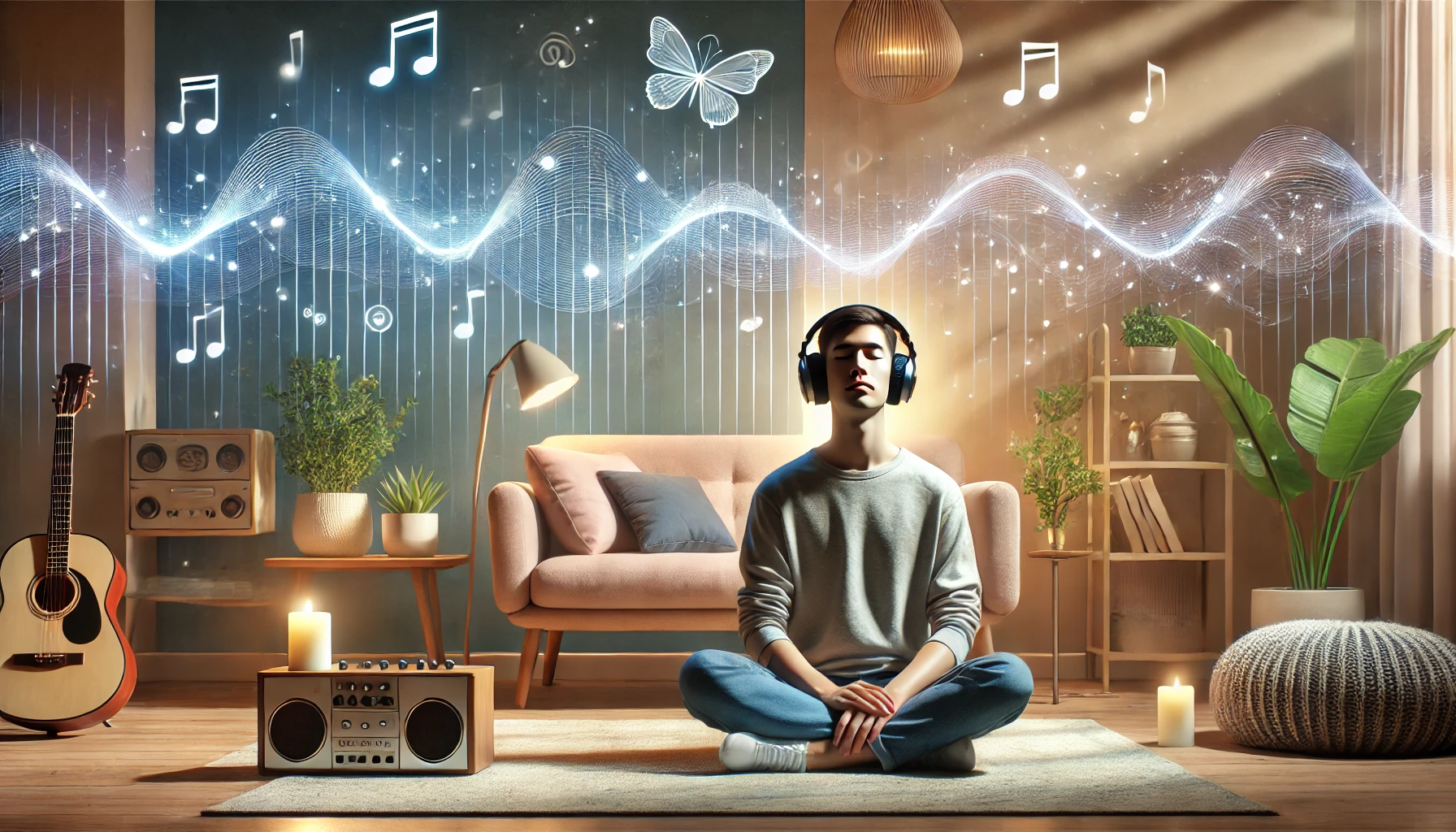
In naturopathy and holistic health, sound is used to promote overall well-being and balance the mind, body, and spirit.
- Sound Healing: Sound healing practices involve using specific frequencies to restore harmony and balance in the body. Techniques include the use of tuning forks, singing bowls, gongs, and other instruments to create therapeutic soundscapes. These sounds help to clear energy blockages, reduce stress, and promote physical and emotional healing.
- Music Therapy: Music therapy utilizes music to address physical, emotional, cognitive, and social needs. It can involve listening to music, playing instruments, singing, or composing music. Music therapy is effective in various settings, including hospitals, schools, and rehabilitation centers, and can improve mood, enhance communication, and support physical rehabilitation.
- Binaural Beats: Binaural beats involve playing slightly different frequencies in each ear to create a perceived third frequency in the brain. This technique is used to induce various mental states, such as relaxation, focus, and meditation. Binaural beats are commonly used in stress reduction, sleep improvement, and cognitive enhancement.
Key Takeaways
- Industrial Uses: Sound waves are employed in cleaning, non-destructive testing, and acoustic levitation, showcasing their versatility in enhancing efficiency and safety in industrial applications.
- Medical Uses: Ultrasound imaging, lithotripsy, and sound therapy are crucial medical applications of sound, providing non-invasive diagnostic and therapeutic options.
- Naturopathy and Holistic Uses: Sound healing, music therapy, and binaural beats are holistic approaches that utilize sound to promote physical, emotional, and spiritual well-being.
By exploring the various applications of sound in industrial, medical, and holistic contexts, we can appreciate the wide-ranging benefits of this powerful tool. Integrating sound into different aspects of life can enhance efficiency, promote health, and foster overall well-being.
Integrating Sound into Daily Life for Enhanced Well-Being
Sound and its various frequencies offer profound benefits across multiple dimensions of life, from physical health and emotional balance to spiritual growth and overall well-being. By incorporating sound into daily practices, individuals can harness its transformative power to improve their quality of life.
Daily Meditation with Sound
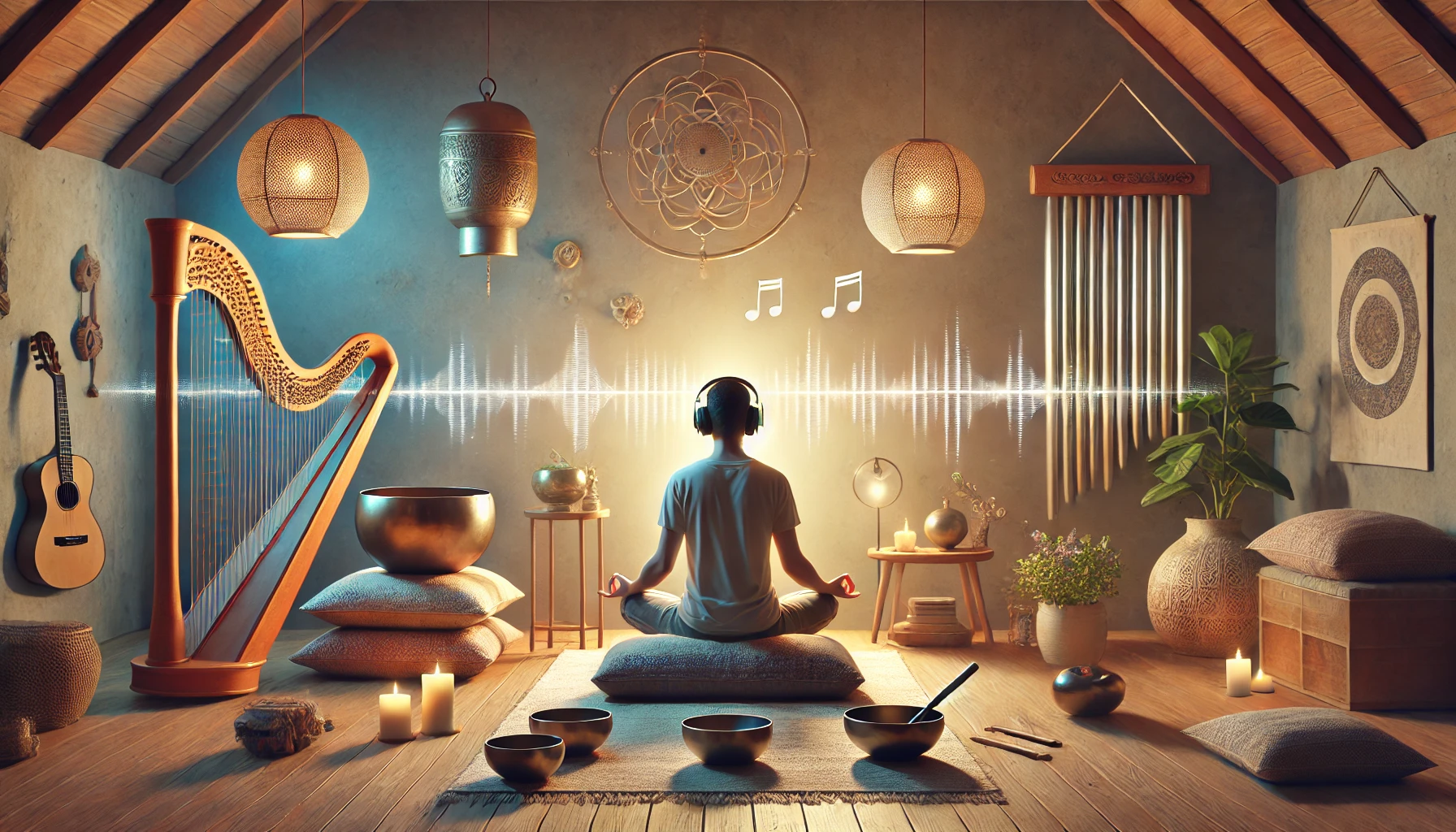
Using sound in daily meditation can deepen the experience and enhance the benefits of mindfulness and relaxation.
- Binaural Beats: Listen to binaural beats tuned to alpha (8-14 Hz) or theta (4-8 Hz) waves to facilitate deep relaxation and enhance meditation. These beats can help synchronize brainwaves, promoting a state of calm and introspection.
- Solfeggio Frequencies: Integrate Solfeggio frequencies into meditation sessions. For example, 528 Hz can promote healing and transformation, while 639 Hz can enhance relationships and communication.
- Guided Meditations with Soundscapes: Use guided meditations that incorporate calming soundscapes, such as ocean waves, forest sounds, or ambient music, to create a peaceful environment conducive to meditation.
Sound Therapy for Stress Reduction
Sound therapy can be a powerful tool for managing stress and promoting relaxation.
- Sound Baths: Attend a sound bath session or create a mini sound bath at home using singing bowls, gongs, or chimes. The immersive sound waves can help reduce stress, lower anxiety, and promote a sense of tranquility.
- Tuning Forks: Use tuning forks tuned to specific healing frequencies (e.g., 528 Hz) to target stress points on the body. The vibrations from the forks can help release tension and promote relaxation.
- Relaxation Music: Listen to relaxation music featuring calming frequencies (e.g., 432 Hz) during breaks or at the end of the day to unwind and de-stress.
Enhancing Sleep Quality with Sound
Incorporating sound into bedtime routines can improve sleep quality and promote restorative rest.
- Delta Wave Music: Listen to music or soundtracks with delta waves (0.5-4 Hz) before bedtime to encourage deep sleep and improve sleep quality.
- White Noise Machines: Use white noise machines that emit consistent sound frequencies to mask background noise and create a soothing sleep environment.
- Nature Sounds: Play recordings of nature sounds, such as rain, ocean waves, or forest ambiance, to create a relaxing atmosphere conducive to sleep.
Sound Healing for Physical and Emotional Health
Sound healing practices can be integrated into daily routines to support overall health and well-being.
- Chakra Balancing: Use sound healing tools like singing bowls or tuning forks tuned to specific chakra frequencies to balance and harmonize the body’s energy centers. This practice can help address physical ailments and emotional imbalances.
- Daily Affirmations with Sound: Combine positive affirmations with sound frequencies to amplify their effects. For example, play 528 Hz music while repeating affirmations to enhance their impact on the mind and body.
- Therapeutic Sound Sessions: Schedule regular sound therapy sessions with a practitioner to address specific health concerns, reduce stress, and promote overall wellness.
Integrating The Healing Power of Sound into Work and Study

Sound can also enhance productivity, focus, and creativity in work and study environments.
- Focus Music: Listen to music with beta waves (14-30 Hz) to boost concentration and mental clarity while working or studying.
- Background Ambient Sounds: Play ambient sounds or low-level music to create a productive atmosphere that minimizes distractions and enhances focus.
- Breaks with Relaxation Sounds: Take short breaks during work or study sessions to listen to calming sounds, such as binaural beats or nature sounds, to refresh the mind and reduce mental fatigue.
Exploring The Healing Power of Sound in Community and Cultural Practices
Engaging with sound through community and cultural practices can foster connection and enhance spiritual growth.
- Group Meditations and Sound Baths: Participate in group meditation sessions or community sound baths to experience the collective power of sound healing and build connections with others.
- Cultural Music Events: Attend cultural music events, such as drum circles, chanting sessions, or traditional music performances, to experience the vibrational energy of communal sound practices.
- Sound Healing Workshops: Join workshops or classes to learn about different sound healing techniques and how to incorporate them into your daily life.
Key Takeaways
- Daily Meditation: Use binaural beats, Solfeggio frequencies, and soundscapes to enhance meditation and promote relaxation.
- Stress Reduction: Integrate sound baths, tuning forks, and relaxation music into routines to manage stress and promote well-being.
- Sleep Quality: Improve sleep with delta wave music, white noise machines, and nature sounds.
- Physical and Emotional Health: Utilize chakra balancing, sound healing tools, and therapeutic sound sessions for holistic health.
- Work and Study: Enhance productivity and focus with beta wave music, ambient sounds, and relaxation breaks.
- Community and Culture: Engage with community sound practices and cultural music events for spiritual growth and connection.
By incorporating these sound-based practices into daily life, individuals can harness the healing power of sound to enhance their physical health, emotional balance, and overall well-being
Conclusion

Sound is a powerful force that permeates every aspect of our lives, from the industrial and medical realms to holistic and spiritual practices. Understanding the impact of sound frequencies on the human body, mind, and spirit opens up a myriad of possibilities for enhancing well-being, fostering healing, and promoting overall harmony.
Recap of Key Points
- Understanding Frequencies and Their Impact: Frequencies measured in Hertz (Hz) interact with our brain waves, influencing states of consciousness and well-being. Scientific research and ancient spiritual practices both acknowledge the profound effects of sound.
- Frequencies Known to Affect the Body, Spirit, and Emotions: Specific frequencies, such as delta, theta, alpha, beta, and gamma waves, as well as Solfeggio and chakra frequencies, have distinct effects on our physical and emotional states, promoting relaxation, healing, and spiritual growth.
- Commonly Used Frequencies for Meditation, Sleep, and Healing: Frequencies like alpha and theta waves, 528 Hz, and 432 Hz are widely used to enhance meditation, improve sleep quality, and support healing processes.
- Methods of Using Frequencies for Healing: Techniques such as tuning fork therapy, sound baths, and chakra balancing utilize specific frequencies to restore harmony and balance in the body and mind.
- Frequencies in Modern vs. Traditional Music: The shift from traditional tuning systems to modern equal temperament has affected the resonance and emotional impact of music. Alternative tunings like 432 Hz are believed to promote greater well-being.
- Natural Frequencies and Their Effects: Natural environments emit vibrational frequencies that can have calming and healing effects. Understanding these natural vibrations helps us connect with the environment and promote holistic health.
- Industrial, Medical, and Holistic Uses of Sound: Sound is employed in diverse fields, from industrial cleaning and non-destructive testing to medical diagnostics and holistic therapies. These applications showcase the versatility and power of sound in enhancing various aspects of life.
Final Thoughts- The Healing Power of Sound
The exploration of sound and frequencies reveals a rich tapestry of potential benefits for the human body, mind, and spirit. By integrating the knowledge of these frequencies into our daily lives, we can harness the healing power of sound to promote health, reduce stress, and achieve a state of inner harmony. Whether through meditative practices, sound therapy, or simply appreciating the natural vibrations around us, sound offers a profound pathway to well-being and spiritual growth.
Encouragement to Explore The Healing Power of Sound
As we continue to uncover the mysteries and potential of sound, it is essential to remain open to exploring and integrating these practices into our lives. Whether you are a seasoned practitioner or a curious newcomer, the journey into the world of sound healing promises to be a transformative and enriching experience. Embrace the power of sound and let it guide you towards greater health, peace, and spiritual connection.
Future of Sound Research and Its Potential
The field of sound research is continually evolving, with new discoveries and applications emerging regularly. From advanced medical treatments to innovative holistic therapies, the potential of sound is vast and largely untapped. As we move forward, continued research and exploration will undoubtedly reveal even more profound ways in which sound can enhance our lives and promote overall well-being. The future of sound is bright, and its potential to transform our world is immense.
Studies and Papers
Studies and scientific papers on the impact of sound and frequencies on health, complete with links to the full texts:
- The Short and Long-Term Effect of Sound Therapy on Visual Attention in Chronic Tinnitus Patients
- This study investigates the effects of sound therapy on visual attention and tinnitus-related distress over short and long periods.
- Full text available at: https://www.mdpi.com/2039-4330/12/5/50
- Possible Mechanisms for the Effects of Sound Vibration on Human Health
- A comprehensive review exploring the physiological, neurological, and biochemical mechanisms by which sound vibrations affect human health.
- Full text available at: https://www.mdpi.com/2227-9032/9/5/597
- The Effects of Music & Auditory Beat Stimulation on Anxiety: A Randomized Clinical Trial
- This study evaluates the anxiety-reducing potential of music combined with theta auditory beat stimulation.
- Full text available at: https://journals.plos.org/plosone/article?id=10.1371/journal.pone.0259312
- Sound Healing: Mood, Emotional, and Spiritual Well-Being Interrelationships
- This observational study examines the impact of singing bowl sound healing on emotional and spiritual well-being.
- Full text available at: https://www.mdpi.com/2077-1444/13/2/123
- Sound Therapy and Well-Being: Some Scientific Studies
- An exploration of the therapeutic benefits of sound-induced altered states of consciousness (ASC), comparing live and recorded sound therapies.
- Full text available at: https://www.medicinanarrativa.eu/sound-therapy-and-well-being-some-scientific-studies/
- Does Sound Healing Actually Work
Explore the benefits of this ancient healing practice- Full text available at: https://www.verywellmind.com/sound-healing-for-self-care-8384146
- Exploring Vibroacoustic Therapy in Adults Experiencing Pain:
- Analyzes the characteristics and outcomes of vibroacoustic therapy in pain management.
- Full text available at: https://bmjopen.bmj.com/content/12/4/e046591
- Exploring the healing power of singing bowls: An overview of key findings and potential benefits
- Singing bowl sound meditation may be an effective low-cost and low-technology intervention for reducing feelings of tension, anxiety, and depression while promoting spiritual well-being
- Full text available at: https://pubmed.ncbi.nlm.nih.gov/37532602/
- Sound Healing Works: The Science Behind the Practice
The power of sound healing lies in resonance and entrainment
Full text available at: https://www.miragenews.com/sound-healing-works-the-science-behind-the-1033766/ - The Science behind Sound Baths
Sound Healing- It’s all about the vibes!
https://omegahub.co.uk/sound-bath/the-science-behind-sound-baths/
These studies provide valuable insights into the multifaceted effects of sound therapy on human health, offering evidence-based support for its benefits across various domains. By exploring these resources, you can gain a deeper understanding of how sound and frequencies can be harnessed for therapeutic purposes.
Read our Article on Delta Waves – https://mindfulness.pernillas-health.com/delta-waves/